Art as a language for grief
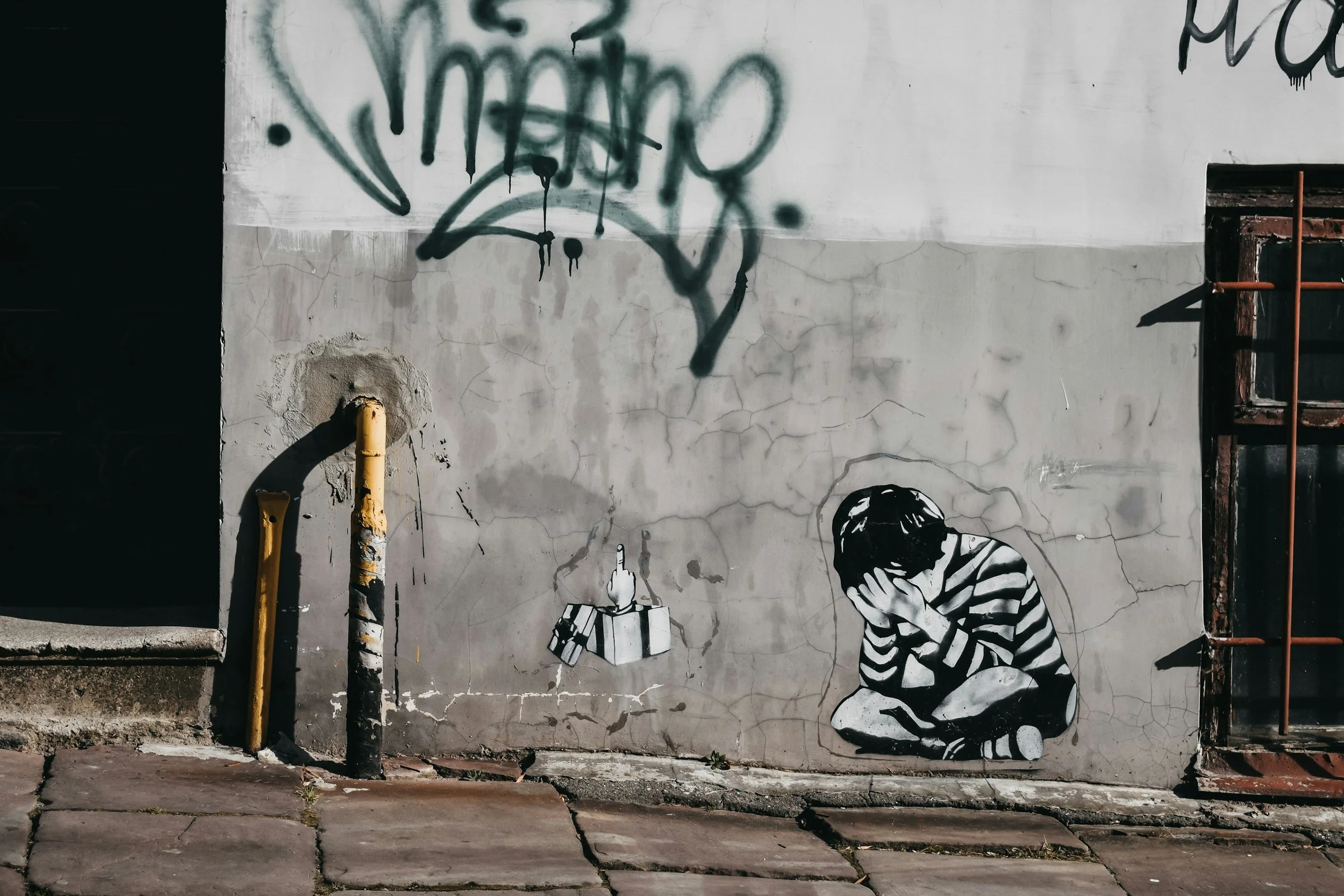
Grief is often described as something we feel, but many people quickly discover that grief is also something we struggle to say. The loss may be clear, but the experience of it—how it sits in the body, moves through the day, or reshapes identity—is much more complex. Words can feel too small, too heavy, or simply inaccessible.
This is where art becomes a necessary language.
In bottom-up therapeutic approaches, we understand that the body often processes emotional experience before the thinking mind can make sense of it. Artmaking works the same way. It allows us to express grief through color, texture, gesture, and shape—ways of communicating that bypass explanation and go straight to the truth of what we feel.
Art does not demand clarity. It makes room for the unclear.
Why Art Helps in Grief
Grief is not just emotional—it is physical. It lives in muscles, breath, posture, and the nervous system. Creative expression offers a path for the body to release, explore, and reorganize the internal experience of loss.
Art supports grief by:
Slowing the nervous system enough to feel safely
Releasing emotion that is too large for words
Offering symbolic meaning when literal meaning is hard to find
Providing a way to externalize internal pain
Allowing connection with others who recognize what is expressed
When we draw, paint, sculpt, collage, or write, we are not trying to make something beautiful. We are trying to make something true.
Art in Bottom-Up Therapy
Bottom-up therapy works through sensation, movement, and body awareness. Art supports this by engaging the same parts of the brain that store emotional memory and lived experience—not the storytelling or logical parts, but the feeling parts.
This is why art can access grief that you may not be able to verbalize.
Examples of bottom-up art practices include:
Making marks on paper that match what your grief feels like (scratchy, soft, chaotic, heavy)
Choosing colors based on sensation rather than meaning
Sculpting shapes that reflect how grief sits in the body
Collaging images that feel resonant rather than literal
The goal is never to explain your grief.
The goal is to meet it.
Try This: “What Does Grief Look Like Today?”
You can do this with any materials. Even a pen and envelope will do.
Pause and notice where you feel grief in your body today.
Let your hand choose a color or tool without thinking about it.
Make marks, shapes, or textures that match the sensation—not the story.
Step away for a moment, then return and just witness what appeared.
No analyzing. No trying to make it meaningful.
The meaning is in the making.
Art Can Create Connection Without Needing Explanation
One of the hardest parts of grief is feeling alone in it. Art allows others to see your grief—without you having to translate it into language you’re not ready for.
A smudge of charcoal can say:
This hurts.
A torn piece of paper can say:
I don’t know who I am now.
A collage of mismatched fragments can say:
Something has changed, and I am learning to live inside that change.
Art gives us permission to tell the truth—gently, slowly, and in ways that protect the heart.
Your Grief Deserves a Language That Fits
If words feel like too much, not enough, or simply not right, you are not failing.
It may simply mean your grief is speaking in another language right now.
Art lets the body speak first.
And the mind can follow later—when it’s ready.
You do not have to explain your grief to heal it.
You only have to stay in relationship with it.
One mark, one color, one breath at a time.
Learn more:
https://www.moma.org/magazine/articles/1178
https://ghe.uwo.ca/blog/posts/grief_and_art_a_universal_language_of_healing.html
https://www.griefstories.org/coping-tools/exploring-art-for-healing/