Product review: Mudi NYC Bodhi Seed Fidget Bracelets
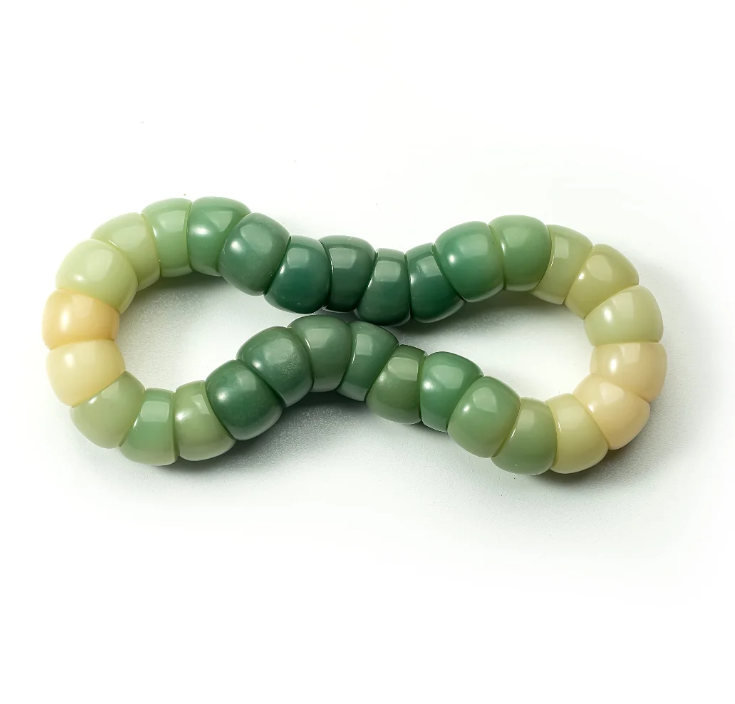
TLDR: I do not recommend this company, but the bodhi bracelets themselves are cool.
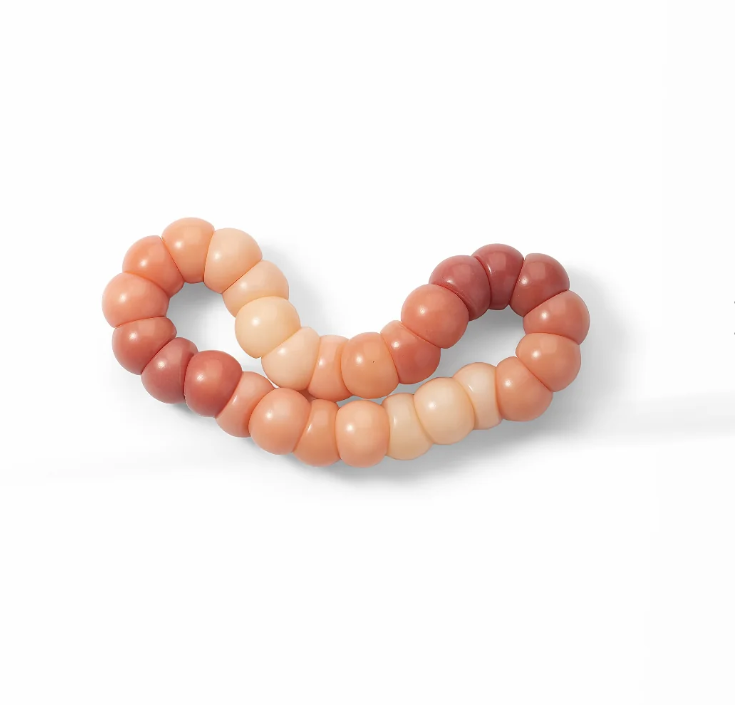
If you’re anything like me, your social media feeds may currently be flooded with ads for Mudi NYC Bodhi Seed fidget bracelets. I started seeing them everywhere—beautiful, earthy bracelets marketed as grounding tools for anxiety, focus, and nervous system regulation. As both a therapist and a human who enjoys a good fidget object, I was curious.
Eventually, curiosity won. I caved and ordered several: one for myself (Gemini), two as gifts (Mount Ranier and Virgo), and the promotion included two free bracelets, which meant I ended up with five different designs and colorways to try.
Here’s the honest breakdown.
Shipping & Packaging Experience
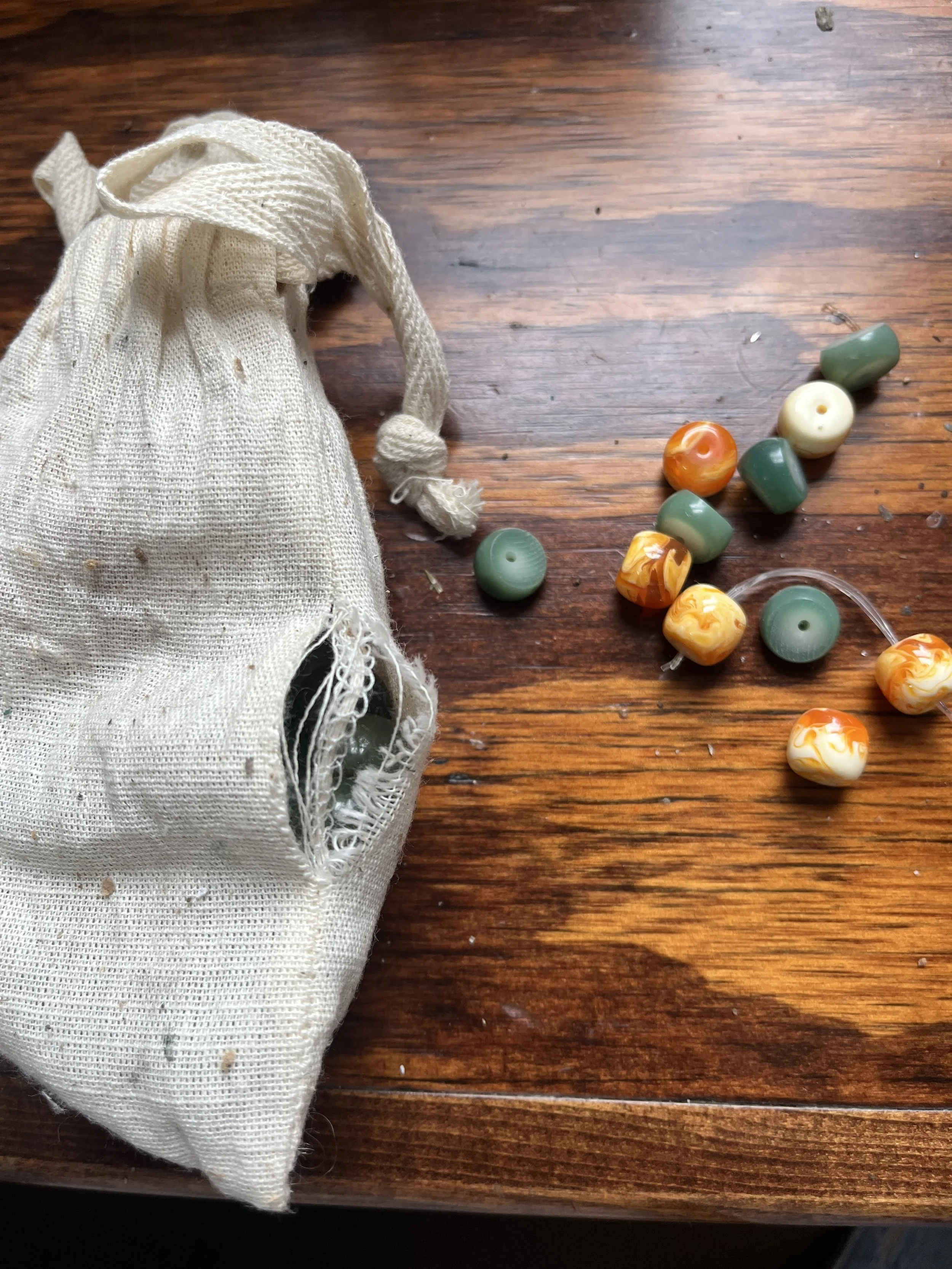
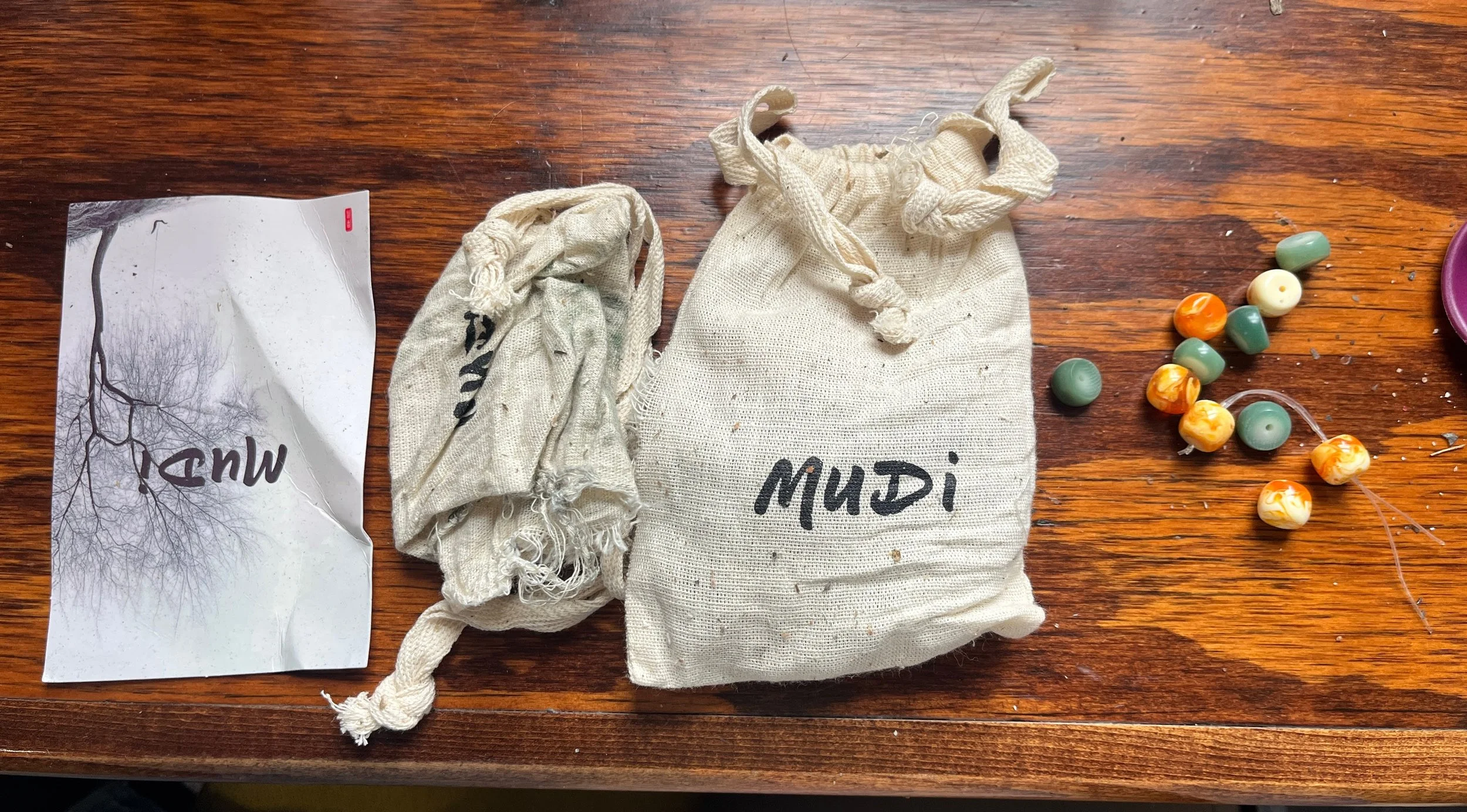
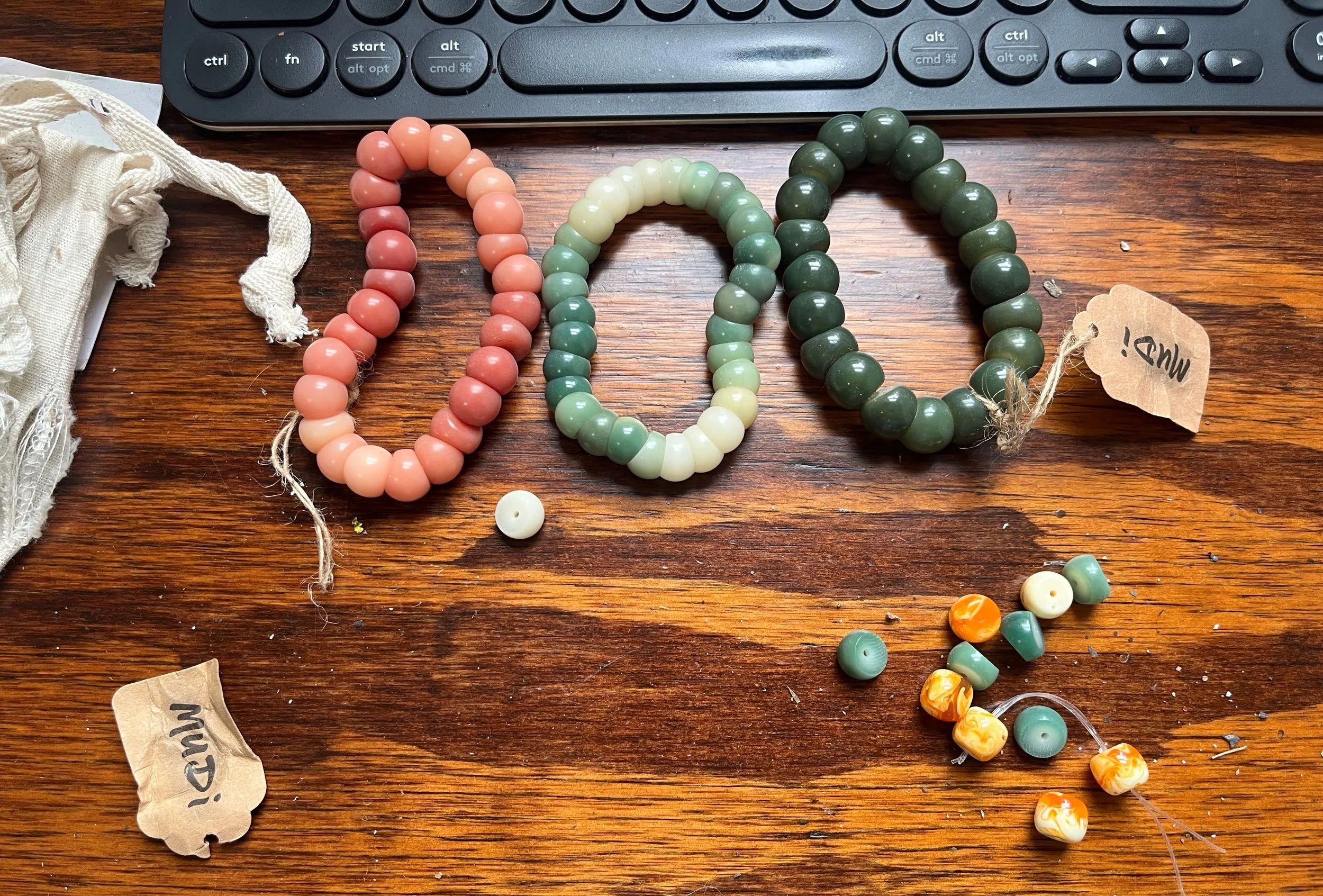
Unfortunately, the first part of the experience was not great. The package took 13 business days to arrive from Florida to Pennsylvania. While delays happen, the bigger issue was the condition of the package when it finally arrived. It had clearly split open during transit, and several beads were visible in the mailer.
Apparently the USPS facility that discovered the damaged package tried to salvage what they could. When my order arrived, there were loose beads placed back into the package—probably 5–10 of them. After looking everything over, it became clear that those beads represented two bracelets’ worth of material, meaning some of the items had been destroyed in transit. The remaining bracelets were crumpled but intact. It’s pretty clear that these ship from China—based on timing, language, etc., but the USPS all states it comes from Florida… I think that’s just where they arrive.
So right out of the gate, this wasn’t the smoothest unboxing experience.
Since I only received three bracelets, they worked out to $40 each. And that’s steep for me. Yikes. If all five were of high quality, it would have worked out to about $25 each.
Construction & Materials
Another thing I noticed immediately was the stringing material.
The bracelets are strung on what appears to be nylon cord (like fishing line of sorts), which doesn’t feel especially sturdy. Additionally, the knots are visible and create a noticeable lump between some of the beads, which interrupts the otherwise smooth feel when rolling them through your fingers.
For a product designed specifically for repetitive tactile use, that detail stood out.
They do appear to be genuine rua rua / bodhi beads. This article might have been good to read beforehand.
The Sensory Experience
That said, there are definitely some things these bracelets do well.
1. The sound
The beads make a soft, satisfying clicking sound when moved against each other. For people who enjoy auditory fidgets, this can be genuinely soothing.
2. The colors
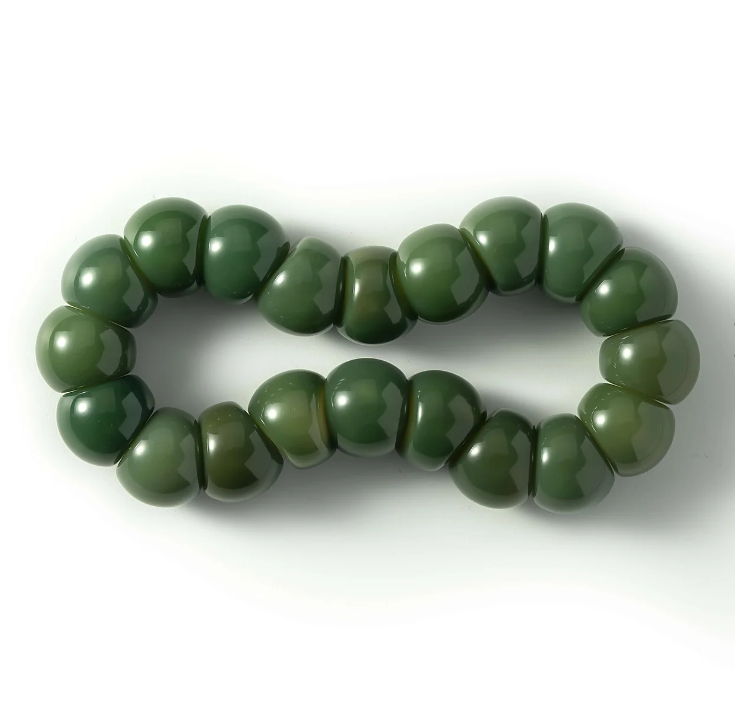
The colorways are really beautiful. The tones are earthy and calming without feeling dull, which is likely part of why the ads are so eye-catching.
3. The weight
The bracelets have a pleasant, grounding weight to them. They feel substantial without being heavy, which makes them easy to wear throughout the day.
4. The aging process
One feature I actually love the idea of is that Bodhi seeds are supposed to become shinier the more they are handled. Over time, they develop a natural polish from oils in the skin, meaning the bracelet evolves as you use it. There’s something meaningful about that—almost like the object reflects the amount of grounding you’ve practiced with it.
As a Therapist: Do Fidget Tools Help?
Fidget objects can be incredibly helpful for nervous system regulation, focus, and anxiety management. Many people regulate best when they can engage their hands while thinking, listening, or processing emotions.
Tactile input can:
help discharge nervous energy
support focus during conversations or meetings
create a grounding sensory anchor during anxiety
Not every fidget works for every person, though. Texture, sound, resistance, and weight all matter.
Final Thoughts
Overall, the idea behind these bracelets is genuinely appealing. The tactile sensation, weight, and natural materials make them an interesting option for people who enjoy sensory tools.
However, between the shipping issues, fragile packaging, and questionable durability of the nylon string, my experience mixed.
Will I still wear (and gift) the intact ones? Yes.
Would I necessarily rush to order more? Probably not.
But if you’re someone who enjoys natural-material fidgets, subtle wearable sensory tools, and objects that change with use, these bracelets might still be worth exploring.
What I would do instead next time:
Have you tried these bracelets or another fidget tool that you love? As a therapist, I’m always curious about what sensory supports actually work for people in everyday life.