How the body holds grief
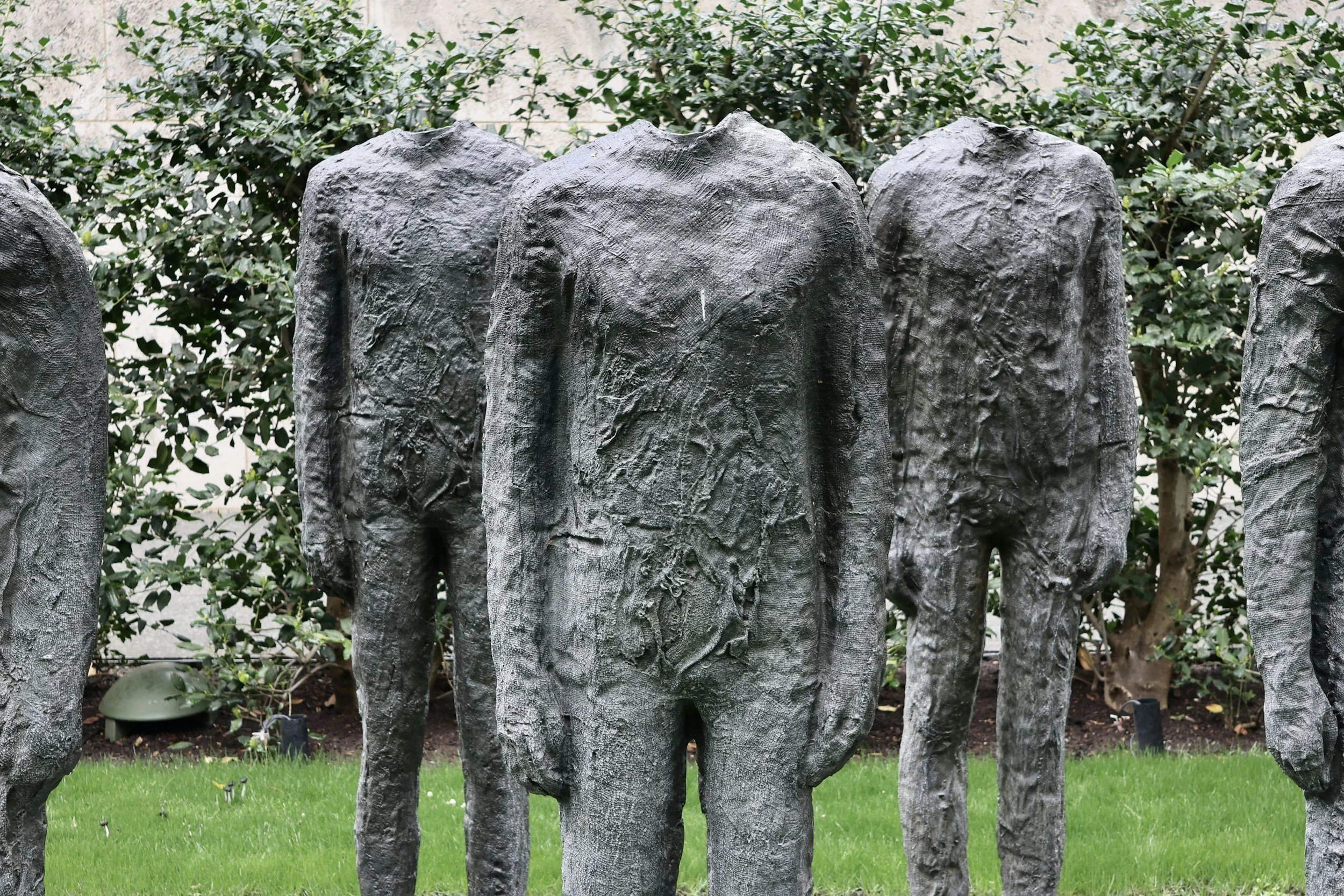
Grief isn’t just something we think or talk about—it’s something we feel in the body. It tightens our chest, knots our stomach, and weighs on our shoulders. It interrupts sleep, flattens appetite, and dulls the senses. These physical sensations aren’t separate from the emotional pain of loss; they are the body’s way of expressing it. When words fall short, the body becomes the storyteller.
The Body’s Response to Loss
When we experience a profound loss, our nervous system often interprets it as a threat. The familiar person, routine, or identity that anchored our sense of safety is suddenly gone. This can send the body into states of fight, flight, or freeze—manifesting as restlessness, fatigue, muscle tension, or numbness. These physiological reactions are not signs of weakness or dysfunction; they are evidence of the body trying to protect and adapt.
Over time, if these stress responses remain unresolved, the body can stay “stuck” in survival mode. We may notice ongoing tightness in the chest, a lump in the throat, or chronic exhaustion that lingers long after the loss. The body continues to hold grief until it feels safe enough to release it.
Listening to the Body’s Language
Somatic therapy invites us to listen to these sensations with curiosity rather than resistance. Instead of pushing through pain or trying to rationalize it away, we slow down and ask:
What sensations do I notice when I think of my loss?
Where in my body do I feel tightness, heaviness, or warmth?
What happens when I soften my attention there, even briefly?
This gentle awareness allows the nervous system to recognize safety and begin releasing what’s been held. Trembling, tears, sighs, or even spontaneous movements can be signs that the body is processing grief on a cellular level.
The Healing Power of Embodiment
Healing from grief isn’t about erasing pain—it’s about allowing it to move through us. Practices like mindful breathing, grounding, and gentle movement help regulate the nervous system, creating space for both sorrow and peace to coexist. As we learn to stay present with physical sensations, emotional understanding deepens naturally.
When we let the body participate in healing, grief becomes less of a static wound and more of a living process. The ache softens, energy returns, and we begin to inhabit our lives again—not because we’ve “moved on,” but because we’ve moved with what was lost.
Grief Lives Where Love Lived
The places in the body that ache are often the same places that once held love, connection, and belonging. By honoring the body’s expressions of grief, we also honor the depth of our love and the meaning of our loss.
Listening to the body doesn’t make grief disappear—it helps it transform. Over time, the body can learn that it’s safe to feel again, to breathe again, and to open toward life with tenderness and trust.
Learn more:
https://www.uclahealth.org/news/article/how-does-grief-affect-your-body
https://shapesofgrief.com/blog/how-grief-manifests-in-the-body-by-liz-gleeson/
https://healthcare.utah.edu/the-scope/womens-7/all/2024/03/e45-physical-domain-of-grief
https://www.centerforloss.com/2023/12/healing-grieving-body-physical-practices-mourners/